5575 Magnatron Blvd Suite I San Diego, CA 92111 | License #789831
E-mail us: info@foxplumbing.com
Support: 24/7

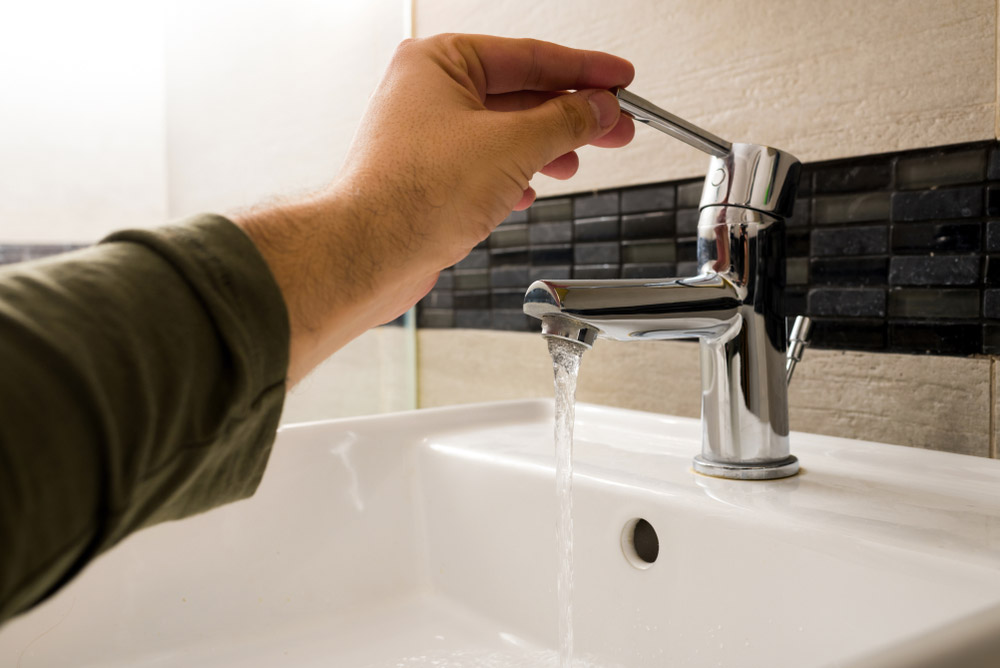
Low water pressure can be frustrating, especially when it only seems to affect one faucet while the rest of your plumbing works normally. You turn on the tap expecting a steady flow, but instead you get a weak stream that makes washing dishes, rinsing your hands, or filling a container take much longer than it should. If you are dealing with this issue, the good news is that low water pressure in just one faucet often points to a localized plumbing problem rather than a whole-house system failure.
Understanding what causes low water pressure in just one faucet can help you figure out whether the issue is something simple, like buildup in the aerator, or something more involved, like a damaged fixture, clogged supply line, or hidden leak. In homes and commercial properties across San Diego, isolated faucet pressure problems are common, especially in older plumbing systems or fixtures that have been in use for many years.
At Fox Plumbing, we have over 40 years of experience helping property owners identify and solve all types of plumbing problems. As one of the highest locally ranked plumbing companies on Google, BBB, and Yelp, we know how important it is to restore strong, reliable water flow quickly. Below, we will explain the most common causes of low pressure in one faucet, what signs to watch for, and when professional plumbing service may be the smartest next step.
If only one faucet has weak pressure, the problem is usually not with your city water supply or your main water line. When a main supply issue exists, you would likely notice poor pressure at multiple fixtures throughout the property, including showers, sinks, and outdoor spigots.
When the issue is limited to a single faucet, plumbers usually focus on parts directly connected to that fixture, such as:
Because the problem is isolated, it is often faster to diagnose than a whole-house low-pressure issue. Still, there are several possible causes, and proper troubleshooting matters if you want to avoid unnecessary repairs or continued damage.
One of the most frequent answers to the question, “What causes low water pressure in just one faucet?” is a clogged aerator. The aerator is the small screen attached to the tip of the faucet spout. Its job is to regulate flow and reduce splashing, but over time it can collect:
In San Diego, mineral buildup can be a common issue because water quality can contribute to scaling over time. When the aerator gets partially blocked, the water cannot pass through as easily, resulting in noticeably weaker pressure from that one fixture.
In many cases, cleaning or replacing the aerator solves the problem. However, if buildup returns quickly, it may point to debris inside the plumbing system or aging pipes shedding material.
Modern faucets often rely on an internal cartridge to control water flow and temperature. If that cartridge becomes worn out, clogged, or damaged, it can restrict water movement and create low pressure at the fixture.
This is especially common in:
A bad cartridge may not always fail completely. Sometimes it allows some water through, but not at the pressure or volume you should be getting. This can make the faucet seem like it has a pressure problem when the issue is really inside the fixture itself.
If replacing the aerator does not help, the faucet cartridge is often the next component that should be inspected.
Every sink faucet usually has shut-off valves under the sink, one for hot water and one for cold water. If one of these valves is not fully open, the faucet may experience low water pressure. This can happen after previous plumbing work, minor repairs, or even accidental movement while storing items under the sink.
Sometimes the valve may appear open but be internally corroded or damaged, preventing full water flow. Older angle stops can deteriorate over time, and even if the handle turns, the inside of the valve may no longer work correctly.
This is one of the simpler potential causes, but it should still be handled carefully. Forcing an old shut-off valve can sometimes cause leaks or breakage.
The flexible water supply lines that run from the shut-off valves to the faucet can also be the reason for low pressure. These lines may become restricted because of:
If the faucet pressure dropped suddenly after nearby plumbing work, debris may have shifted into the line. If the home has older plumbing, corrosion or sediment may have gradually narrowed the flow path.
A supply line issue may affect one temperature more than the other if only one side is restricted. For example, you may notice good cold water pressure but very weak hot water pressure, or the reverse.
Even if the aerator is clean, minerals and sediment can build up inside the faucet itself. This buildup can narrow internal passages and reduce flow, particularly in older fixtures. Over time, water passing through the faucet leaves deposits behind, and those deposits can harden enough to interfere with normal performance.
This is one reason why older faucets may develop low pressure even if no external damage is visible. In some cases, deep cleaning helps. In others, replacement becomes the more cost-effective and reliable solution.
If a faucet has reached the end of its useful life, replacing it may improve not only water pressure but also efficiency, reliability, and appearance.
Sometimes low water pressure in one faucet is caused by a hidden leak somewhere along the line serving that fixture. If water escapes before reaching the faucet, pressure and flow may be reduced.
Leaks may occur:
While major leaks usually create more noticeable symptoms, small leaks can go undetected for some time. If the pressure problem is combined with moisture, staining, moldy smells, or an unexplained increase in your water bill, a leak should be ruled out as soon as possible.
Leaks should never be ignored, because even a small one can cause structural damage, mold growth, and worsening plumbing issues over time.
In older homes, especially those with aging galvanized steel plumbing, corrosion inside the pipe can restrict water flow significantly. If the affected faucet is connected to a section of pipe with heavy internal corrosion, the pressure may be weak only at that location.
This is more likely when:
Pipe corrosion is not a surface-level problem. It can reduce flow, affect water quality, and increase the risk of leaks. In these cases, simply cleaning the faucet will not solve the underlying issue. A plumber may need to inspect the branch line and determine whether repair or replacement is necessary.
It is important to notice whether the low pressure affects both temperature settings or just one. This can help narrow down the cause more quickly.
The issue may involve:
The issue may involve:
This distinction matters because it helps determine whether the problem is in the faucet, the local plumbing line, or even an upstream component such as the water heater system.
Sometimes a faucet may not technically have a plumbing defect, but it may still feel like it has low pressure. Certain faucets are designed with low-flow features to conserve water. While these fixtures can work well, they may feel weaker than older faucets with higher output, especially if the aerator or cartridge begins to collect debris.
If the faucet was recently installed and has always seemed weak, it may be worth checking its flow rating. A professional plumber can help determine whether the issue is an actual restriction or simply the design of the fixture.
Before assuming the problem is serious, there are a few basic checks you can make. These steps may help identify whether the issue is minor or whether it is time to call a plumber.
Check whether the low pressure affects both hot and cold water or just one side.
If all other fixtures are working normally, the problem is likely isolated to that faucet or its branch line.
Look for partially closed shut-off valves, signs of leaks, kinks in supply lines, or corrosion.
If you are comfortable doing so, remove the aerator and rinse away visible debris or mineral buildup.
If you notice discoloration, recurring clogs, leaks, or pressure changes elsewhere, the isolated faucet problem may be part of a larger plumbing concern.
While some isolated pressure problems are simple, others require professional diagnosis. Calling a plumber is the best next step when:
A professional plumber can inspect the fixture, test water flow, evaluate the shut-off valves and supply lines, and determine whether the issue is with the faucet itself or the plumbing behind it. This type of targeted diagnosis helps avoid wasted time and unnecessary repairs.
Even though low pressure in one faucet may seem minor, delaying repairs can lead to more inconvenience and larger plumbing problems later. What starts as a clogged aerator could be a sign of mineral buildup throughout the system. What looks like a weak faucet could actually be an aging shut-off valve, a hidden leak, or corrosion in the pipe.
Early attention can help:
Plumbing issues rarely improve on their own. A prompt inspection can save time, stress, and money.
If you are wondering what causes low water pressure in just one faucet, Fox Plumbing is here to help. With over 40 years of experience and a reputation as one of the highest locally ranked plumbing companies on Google, BBB, and Yelp, we provide fast, dependable service for plumbing problems of every size. Whether the issue is a clogged aerator, worn faucet parts, a damaged supply line, a hidden leak, or something deeper in your plumbing system, our team can quickly identify the cause and recommend the right solution. If you need trusted plumbing service in San Diego, Fox Plumbing is ready to restore the water pressure and performance you expect.