5575 Magnatron Blvd Suite I San Diego, CA 92111 | License #789831
E-mail us: info@foxplumbing.com
Support: 24/7

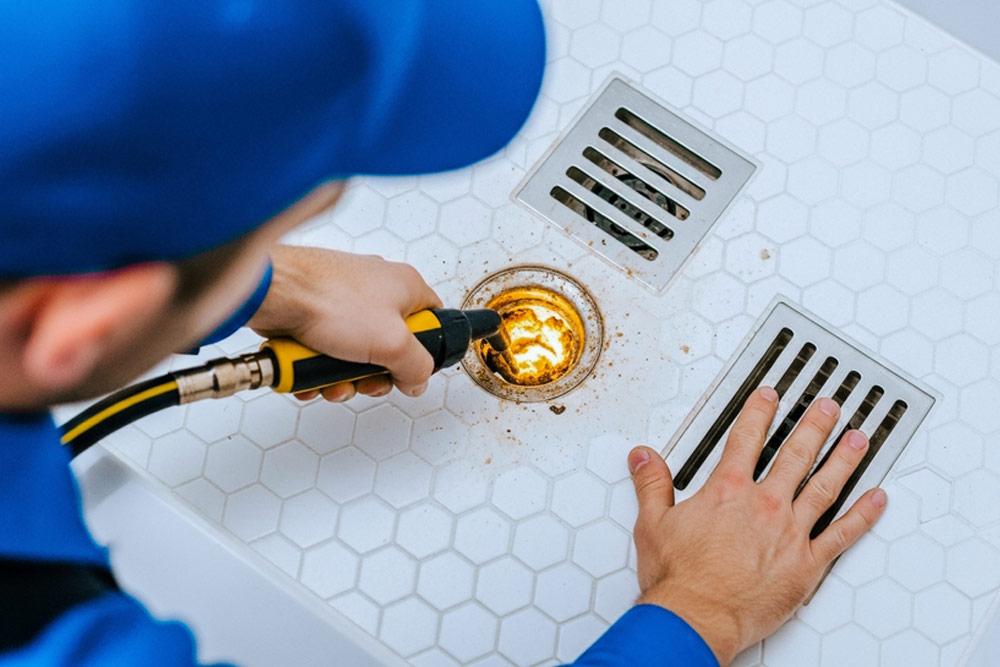
A clogged shower drain can quickly turn a relaxing routine into a frustrating mess. When water starts pooling around your feet, many homeowners immediately think of store-bought drain cleaners. While those products may seem like a quick fix, they often contain harsh chemicals that can be tough on your pipes, unpleasant to use, and risky around children and pets. A safer approach is often the better one.
Many shower drain clogs can be handled with simple tools and household methods that help remove buildup without exposing your home’s plumbing system to unnecessary damage. Hair, soap scum, conditioner residue, hard water minerals, and small debris are often the real reason water stops draining properly. Once you understand what is causing the blockage, it becomes much easier to choose the right solution.
At Fox Plumbing, we have built a strong reputation as one of the highest locally ranked plumbing companies on Google, BBB, and Yelp. With over 40 years of experience and fast-response emergency plumbing service for all plumbing needs, we know that many drain problems start small and become much worse when ignored. Learning how to unclog a shower drain without harsh chemicals can help you protect your plumbing, keep your bathroom cleaner, and avoid bigger repair costs later.
Harsh chemical drain cleaners are often marketed as easy solutions, but they can create new problems. Some of the strongest formulas generate heat as they work, which can wear down certain types of pipes over time. If the clog is stubborn and the chemical sits too long, the result may be pipe damage rather than a clean drain.
There are also practical concerns that make many homeowners look for safer alternatives:
Choosing gentler methods first is usually a smarter way to deal with a slow or clogged shower drain.
Before trying to clear the drain, it helps to know what is blocking it. Shower drains rarely clog for only one reason. Most of the time, the blockage develops layer by layer.
Hair is one of the most common causes of a shower drain clog. As strands wash down the drain, they can catch on the drain cover, rough pipe surfaces, or soap residue. Over time, that hair collects into a thick mass that slows water flow.
Soap, shampoo, conditioner, body wash, and scrubs can all leave residue behind. That sticky coating can trap hair and debris, causing the clog to grow faster.
San Diego homeowners often deal with hard water issues. Mineral deposits can gradually form inside the drain and narrow the path water uses to flow away.
Bits of dirt, bath product caps, broken plastic pieces, and other small items can find their way into the drain and create a blockage or worsen an existing one.
A full blockage usually does not happen overnight. Most drains show warning signs first. Catching the issue early gives you a better chance of clearing it without major work.
When you notice these signs, it is a good idea to deal with the problem before the clog becomes deeper and more compacted.
Several non-chemical methods can help restore drainage. Some are quick and simple, while others work best for more stubborn buildup.
Sometimes the clog is sitting just below the drain cover. Start by removing the drain cover carefully. Use gloves and pull out any hair or debris you can see. A surprising amount of material can collect right at the top of the drain.
This method works best when:
Even if this does not completely fix the problem, it often improves drainage right away and makes the next step more effective.
A plastic drain snake or barbed drain cleaning tool is one of the most effective non-chemical options. These tools are inexpensive, flexible, and designed to grab hair from inside the drain.
To use it:
This is often one of the best ways to unclog a shower drain without harsh chemicals because it removes the blockage rather than merely pushing part of it deeper.
Hot water can help loosen soap scum, oily buildup, and light residue. Boiling water is not always recommended for every plumbing system, especially if you have older pipes or certain plastic components, but very hot tap water can still help.
Pour hot water into the drain slowly in stages. Give it time to work between each pour. This is especially useful after you have already removed hair from the top of the drain.
Baking soda and vinegar are popular household items that can help break up minor drain buildup. While they are not a miracle cure for every clog, they can help with light residue and odor.
A common method is:
This method may help with soap buildup, but it is usually not enough for a heavy hair clog on its own. It works best as part of a broader cleaning effort.
A small plunger can sometimes help dislodge a shower drain clog. For the best result, make sure there is enough water in the shower to cover the plunger’s rubber cup. Then create a seal and use firm, controlled plunges.
This method may be useful when the clog is slightly deeper in the line and not easily reached with your hand. Be careful not to use too much force, especially on older plumbing fixtures.
Some shower and tub combinations have an overflow opening. Buildup in that section can affect drainage and odor. Cleaning around that area can sometimes improve overall performance.
If you are removing covers or parts and you are unsure how they go back together, it is better to stop and have a professional inspect the drain rather than risk damaging the fixture.
Trying to solve the problem too aggressively can turn a manageable clog into a plumbing repair. Certain mistakes are very common.
If one round of chemical cleaner does not work, repeated use usually creates more risk than benefit. It can also leave harmful residue in the drain.
Metal hangers, screwdrivers, and other makeshift tools can scratch or damage the drain and may push the clog deeper.
If the shower keeps clogging again and again, there may be a deeper issue in the line. Repeated slow draining often points to buildup farther down or a broader drainage problem.
Drain covers and assemblies can vary by model. If a part seems stuck, forcing it may break the hardware or create a leak around the fixture.
Prevention is often much easier than clearing a full blockage. A few simple habits can help reduce the chances of another clog forming.
A drain screen or hair catcher is one of the easiest ways to prevent buildup. It helps stop hair from washing into the drain while still allowing water to pass through.
Even a thin layer of trapped hair and soap can slow drainage. Wiping down the drain area regularly can help stop buildup before it becomes a problem.
Running hot water down the drain from time to time may help reduce soap and product residue before it hardens.
Heavy conditioners, thick body scrubs, and oily bath products can contribute to drain issues. Being mindful of how much product is rinsed down the drain can help.
If your home has recurring shower drain problems, professional drain cleaning may be the smarter long-term solution. It can remove buildup more thoroughly and reveal whether there is a bigger plumbing concern.
Not every slow shower drain is a simple hair clog. Sometimes the issue is deeper in the plumbing system. If more than one drain is backing up or you notice problems in multiple fixtures, the blockage may be farther down the line.
Possible warning signs of a more serious issue include:
When these signs appear, the safest step is to call a licensed plumber. A professional can identify whether the problem involves a branch line, main drain line, venting issue, or buildup deeper than household tools can reach.
Many homeowners understandably want to solve a clogged shower drain on their own first. That makes sense for minor issues near the surface. However, when the clog does not clear quickly or keeps coming back, professional service is often the most cost-effective option.
A trained plumber can do more than remove the immediate blockage. They can also:
That matters especially in older homes, where pipe condition, hard water buildup, or worn drain assemblies may contribute to ongoing problems.
If your shower drain is clogged, draining slowly, or keeps backing up no matter what you try, Fox Plumbing is ready to help. We are one of the highest locally ranked plumbing companies on Google, BBB, and Yelp, and we bring over 40 years of experience to every job. Our team provides fast-response emergency plumbing service for all plumbing needs, whether you are dealing with a simple drain issue or a more serious blockage deeper in your plumbing system. We take pride in delivering dependable service, honest solutions, and the kind of experienced plumbing support San Diego homeowners can trust when they need the job done right.