5575 Magnatron Blvd Suite I San Diego, CA 92111 | License #789831
E-mail us: info@foxplumbing.com
Support: 24/7


Buying a home is one of the largest financial commitments most people make, yet some of the most expensive problems can be hidden behind walls, underneath floors, or several feet underground. A home can have an updated kitchen, fresh paint, new flooring, and excellent curb appeal while still having an aging sewer line, deteriorating supply pipes, hidden leaks, drainage problems, or a water heater approaching the end of its useful life.
That is why a general home inspection should not necessarily be the final word on a property's plumbing system. A home inspector can identify many visible plumbing concerns, but a dedicated plumbing inspection performed by an experienced plumber can go considerably deeper. For San Diego buyers, that can be especially valuable when evaluating older homes, remodeled properties, homes with mature landscaping, and properties where the plumbing history is unclear.
The objective is not simply to find something wrong with the house. A plumbing inspection gives you a clearer understanding of what you are buying. It can identify existing problems, uncover conditions that may require future attention, and help you make informed decisions before ownership transfers to you.
A plumbing system contains far more than the faucets and fixtures you can see during a walkthrough. Water supply piping may run through walls, slabs, ceilings, crawl spaces, and underground areas. Drain and sewer lines may extend from the house all the way to a municipal sewer connection. A problem anywhere along that system can eventually affect the property.
Some plumbing problems are obvious. A dripping faucet, slow drain, stained ceiling, or leaking toilet immediately raises questions. Other problems can remain unnoticed until after closing.
For example, a sewer lateral may continue draining even though roots have begun entering the pipe. An older water line may function normally while corrosion gradually weakens it. A pressure regulator may still provide water throughout the house while allowing excessive pressure that puts unnecessary stress on fixtures and appliances.
These conditions are difficult for a buyer to evaluate during a standard showing. A professional plumbing inspection is designed to look beyond appearances and evaluate how the system is actually performing.
One of the most important plumbing inspections to consider before purchasing a home is a sewer camera inspection.
Your home's sewer lateral carries wastewater from toilets, sinks, showers, tubs, washing machines, and other drains toward the public sewer system. Much of that pipe is underground, which means you cannot determine its condition simply by looking around the property.
A plumber can insert a specialized camera into the sewer line and visually examine the interior of the pipe. Depending on the condition and accessibility of the system, the inspection may reveal issues such as:
This inspection can be particularly valuable for older San Diego properties and homes surrounded by mature trees or landscaping. Roots naturally seek sources of moisture and can enter vulnerable pipe joints or damaged sewer lines.
A sewer line does not have to be completely blocked to have a significant problem. Wastewater may still move through a pipe with root intrusion or deterioration, making the home's drains appear normal during a brief inspection.
The sewer lateral deserves special attention because responsibility for the line can extend farther than buyers expect. The City of San Diego explains that property owners are responsible for maintaining their sewer lateral from the property to its connection with the City's sewer main.
For someone purchasing a home, knowing the condition of that line before closing can provide valuable information about one of the property's most important underground systems.
A camera inspection can also establish a snapshot of the sewer line's condition at the time of purchase. If a plumber sees deterioration, root problems, or other abnormalities, you can discuss the findings before taking ownership rather than discovering them after a sewage backup occurs.
The next area to examine is the home's water supply system.
Supply pipes bring pressurized water to faucets, showers, toilets, appliances, hose connections, and other fixtures. The materials used in these pipes can vary significantly depending on when the property was built and whether the plumbing has been replaced or modified over time.
A plumbing inspection should identify accessible piping materials and look for visible signs of deterioration or previous repairs.
Potential warning signs include:
One important question to ask is whether the house was completely repiped or only partially repiped. A seller might say that plumbing has been "updated," but that description can mean many different things. New piping beneath a bathroom sink does not necessarily mean supply lines inside the walls or under the property were replaced.
A plumber can help determine which portions of the system appear newer and which components may still be original or older.
Water pressure affects more than how strong the shower feels. Excessive pressure can place additional stress on plumbing fixtures, valves, appliance connections, water heaters, and supply piping.
Pressure that is too low can also indicate a problem that deserves further investigation.
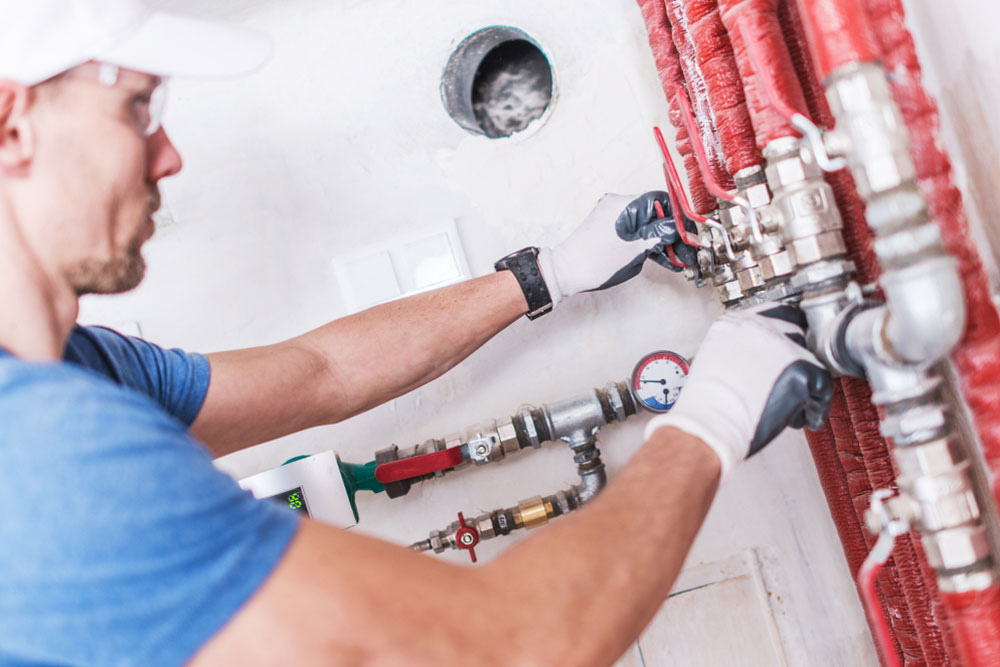
A plumbing inspection should include testing the home's water pressure and evaluating whether pressure appears appropriate throughout the property.
If a pressure regulator is installed, the plumber can examine its condition and performance. Pressure regulators do not last forever, and a regulator that is no longer functioning correctly can cause pressure changes throughout the home.
Buyers should also pay attention to unusual pressure behavior. For example, if water pressure drops noticeably when multiple fixtures are used at the same time, additional investigation may be appropriate.
The City of San Diego provides information for residents regarding water service, pressure, meters, leaks, and property-side plumbing responsibilities. A professional plumber can evaluate how the individual home's plumbing system is performing under real operating conditions.
Water leaks are not always accompanied by a visible puddle.
A small leak behind a wall, under a sink, beneath flooring, in a crawl space, or underground may continue for a long period before the damage becomes obvious. By the time discoloration or structural damage appears, moisture may already have affected surrounding materials.
During a pre-purchase plumbing inspection, accessible areas should be checked for evidence of moisture and leakage.
Places that deserve attention include:
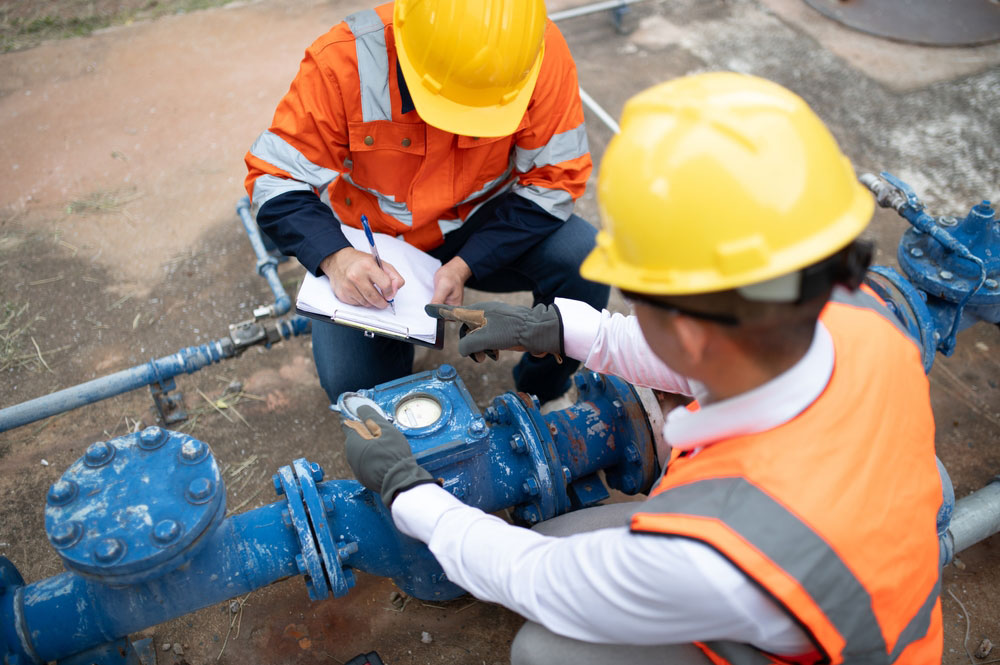
The home's water meter may also provide useful information when checking for possible leaks. If every fixture and water-using appliance is turned off but the meter still indicates water usage, additional leak detection may be warranted.
A suspected hidden leak should not be ignored simply because there is no obvious damage. Identifying the source before closing can help you understand whether the issue is limited to a fixture or involves a concealed or underground pipe.
Every plumbing fixture should be tested rather than simply viewed.
Turn faucets on and off. Run showers. Flush toilets. Fill sinks slightly and observe how quickly they drain. Check beneath cabinets while fixtures are operating. Look around toilet bases for movement, moisture, staining, or deterioration.
A plumber can also evaluate fixture shutoff valves. These valves are important because they allow water to be isolated when a fixture needs servicing or begins leaking.
Older valves may become difficult to turn, corroded, or unreliable. Discovering that a shutoff valve does not work during an active leak is far less convenient than identifying the problem during an inspection.
The home's main water shutoff should also be located and evaluated. As a future homeowner, you should know exactly where it is before an emergency occurs.
A water heater is another major plumbing component that deserves careful evaluation before purchasing a property.
The inspector should look at the general condition of the unit, installation, accessible connections, shutoff components, signs of corrosion, evidence of leakage, and other visible conditions that may indicate service is needed.
Ask for the approximate age of the water heater whenever it can be determined from the manufacturer's information or property records.
An older unit is not automatically defective. However, knowing its age and condition can help you understand whether the appliance appears relatively recent or is something you may need to monitor more closely after purchasing the house.
Pay particular attention to corrosion or moisture around the tank and its connections. Water collecting beneath a water heater should always be investigated rather than assumed to be harmless condensation.
Slow drains can reveal more than a minor inconvenience.
A single slow bathroom sink might have a localized obstruction. Multiple fixtures draining slowly may indicate a larger drainage problem.
During an inspection, several fixtures should be operated to evaluate how the drainage system performs under normal household use.
A plumber may look for:
If one fixture affects another, further investigation may be appropriate. For example, wastewater appearing in a shower or tub when another plumbing fixture is used can indicate a downstream blockage or drainage problem.
Renovated homes deserve careful plumbing review, even when the improvements appear professionally finished.
A remodeled kitchen or bathroom may contain attractive new fixtures while older plumbing remains behind the walls. Conversely, a high-quality renovation may include extensive plumbing improvements that add meaningful value to the property.
The key is knowing what work was actually completed.
Ask the seller for available documentation relating to:
When significant plumbing work has been performed, available permits, invoices, warranties, and contractor records can provide additional context.
A plumber can compare those records with visible conditions at the property and identify areas that may deserve closer attention.
San Diego has neighborhoods with homes from many different construction eras. Older homes can have tremendous character and may have been carefully maintained, but age makes understanding the plumbing system especially important.
Some homes have undergone complete plumbing upgrades over the years. Others have been modified in stages, resulting in a combination of older and newer materials.
When evaluating an older property, ask questions such as:
The age of the house alone does not tell you whether the plumbing is good or bad. Maintenance history, materials, installation quality, previous repairs, soil conditions, landscaping, and renovations all affect the system.
That is why the actual condition of the plumbing matters more than assumptions based only on the home's construction date.
Accessible areas can reveal valuable clues about the plumbing system.
Crawl spaces, garages, utility rooms, basements where applicable, and exterior areas may expose pipes that would otherwise remain hidden.
A plumber can look for corrosion, staining, leaks, unsupported piping, old repairs, unusual connections, and other visible conditions.
Crawl spaces are particularly useful because plumbing beneath bathrooms, kitchens, and other areas may be directly accessible. Evidence of past water leakage may also be more noticeable from below than from inside the finished living space.
Do not assume that a dry pipe during the inspection has never leaked. Staining, mineral deposits, corrosion, damaged surrounding materials, and previous patching can sometimes indicate earlier problems that deserve questions.
Toilets seem simple, but leaks around a toilet can damage flooring and surrounding materials.
Each toilet should be flushed and observed. The plumber can check for movement at the base, continuous running, weak flushing, unusual sounds, visible leakage, and problems with internal components.
A toilet that rocks or moves when pressure is applied should be investigated. Movement may affect the seal between the toilet and drainage connection.
Also listen after flushing. If a toilet continues running long after the tank should have refilled, it may be wasting water and may need adjustment or repair.
Do not limit a plumbing inspection to the inside of the house.
Exterior hose bibs, exposed pipes, water service components, irrigation connections, outdoor kitchens, pool-related plumbing connections, and other exterior water systems may also deserve attention depending on the property.
Look for constant moisture near exterior plumbing, unusually green patches of vegetation, standing water, or soil that remains wet without an obvious explanation.
These conditions do not automatically mean an underground plumbing leak exists, but they can justify further investigation.
No single warning sign necessarily means you should walk away from a property. It means you should understand what is happening before making your final decision.
Some conditions that deserve closer evaluation include:
When something unusual appears, the goal should be to determine the cause and extent of the problem. A plumbing professional can help distinguish a routine repair from a condition that requires a more substantial solution.
A general home inspection is extremely useful, but it serves a different purpose from a specialized plumbing inspection.
Home inspectors evaluate many systems within a limited amount of time, including roofing, electrical components, heating and cooling equipment, structure, appliances, plumbing, drainage, and numerous other features.
A licensed plumbing professional focuses specifically on plumbing.
That additional focus can be particularly useful when you want a sewer camera inspection, detailed evaluation of piping, pressure testing, leak investigation, or professional assessment of a condition already identified by the general inspector.
Many buyers therefore use the general home inspection to identify broad concerns and request specialized inspections for systems where additional information is important.
Ideally, plumbing inspections should be completed during the appropriate inspection or due-diligence period associated with the purchase.
That timing gives you an opportunity to understand the system before completing the transaction and to discuss any findings with your real estate professional and other appropriate advisors.
If you already know the property is older, has large trees, has experienced plumbing problems, or contains extensive renovations, consider arranging the plumbing inspection early enough that additional testing can be performed if necessary.
For example, if an inspection uncovers evidence of a hidden leak or significant sewer problem, additional investigation may be needed before the full condition can be understood.
Ask the plumber to clearly explain what was inspected and what was found. When a sewer camera inspection is performed, ask whether video or other documentation is available.
You should come away understanding:
A good inspection should leave you with greater clarity about the property rather than simply a long list of technical terminology.
Buying a home should come with as few plumbing surprises as possible. Fox Plumbing helps San Diego homeowners and homebuyers evaluate plumbing systems, identify problems, and understand what may require attention before small issues become larger emergencies. With over 40 years of experience and a strong local reputation across Google, BBB, and Yelp, our team understands the plumbing systems found throughout San Diego homes and the types of issues buyers should look for. We provide professional plumbing inspections, sewer and drain services, leak diagnosis, water heater service, repairs, and fast-response emergency plumbing for a wide range of plumbing needs. If you are considering purchasing a San Diego home and want a closer look at its plumbing system before you close, contact Fox Plumbing to schedule an inspection and get a clearer picture of what is happening behind the walls and below the property.